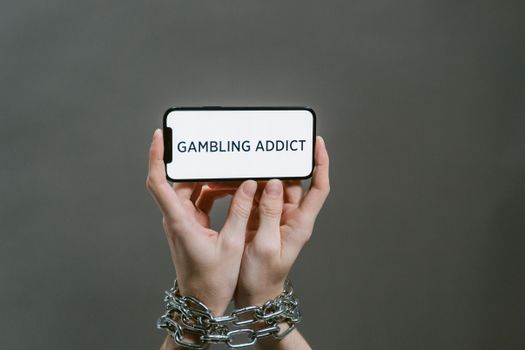
Online gambling has rapidly become a global phenomenon, offering entertainment and excitement at the click of a button. With more than 1.6 billion people reported to gamble each year worldwide, and the online gambling market valued at over $92.9 billion in 2023, it’s no surprise that the allure of online casino games, sports betting, and virtual slots is stronger than ever. However, the ease and accessibility of these platforms also present a serious risk: addiction. Understanding how to avoid addiction to online gambling games is crucial for maintaining a healthy relationship with online entertainment. This article explores effective strategies, psychological triggers, and practical tools to keep your gambling habits safe and under control.
The Science Behind Online Gambling Addiction
Online gambling addiction, officially recognized as “Internet Gaming Disorder” by psychologists, operates on predictable behavioral triggers. The constant availability of games, combined with immersive graphics, celebratory sounds, and easy access to your funds, makes resisting temptation difficult. Studies indicate that 4-6% of online gamblers develop problematic habits, compared to just 1-2% among traditional offline gamblers. The digital format allows for 24/7 play, removing natural stopping cues like casino closing times or travel fatigue.
Dopamine—the brain’s “feel good” neurotransmitter—plays a central role. When you win or even anticipate a win, your brain releases dopamine, reinforcing the urge to keep playing. Over time, this can create a potent feedback loop, similar to that seen in substance addiction, leading to compulsive play and difficulty stopping, even in the face of negative consequences.
.png)
Recognizing Early Warning Signs of Gambling Addiction
Avoiding addiction starts with recognizing when normal play is turning into problematic behavior. Common early warning signs include:
- Spending more money or time on gambling than intended - Chasing losses (trying to win back lost money) - Lying about gambling habits to family or friends - Feeling restless or irritable when not gambling - Neglecting work, relationships, or hobbiesA study published by the National Council on Problem Gambling found that nearly 70% of individuals who developed a gambling problem ignored these warning signs for months before seeking help. Early recognition is essential. If you find yourself justifying increased spending or hiding your gaming activity, it’s time to take a step back and reassess.
Practical Strategies to Stay in Control
While online gambling can be enjoyed responsibly, it requires proactive self-management. Here are evidence-based strategies to help you avoid addiction:
1. Set Strict Limits Before You Play Decide on a time and money budget before you log in. Several studies show that pre-commitment—deciding limits in advance—reduces the risk of overspending by up to 50%. Most reputable online gambling platforms offer built-in limit-setting tools, allowing you to cap deposits, bets, and session times. Make use of these features and stick to your limits, even if you’re on a winning streak. 2. Take Regular Breaks Continuous play increases the risk of losing track of time and money. Schedule regular breaks—set a timer for every 30 or 60 minutes. During these breaks, step away from your device, stretch, or engage in a non-screen activity. Research from the University of Sydney found that players who took scheduled breaks were 34% less likely to develop problematic gambling behaviors. 3. Use Self-Exclusion Tools If you feel your control slipping, consider self-exclusion. This feature, available on most legal platforms, allows you to voluntarily block your access to gambling sites for a set time (from 24 hours to several years). In 2022, over 200,000 people worldwide used self-exclusion tools, demonstrating their growing effectiveness. 4. Avoid Alcohol and Drugs While Gambling Substances lower inhibitions and impair judgment, making it easier to ignore limits and chase losses. A 2021 survey by the Responsible Gambling Council found that 42% of online gambling addicts reported using substances while playing. 5. Keep Gambling Separate from Real Life Never use gambling as a way to escape stress, loneliness, or financial troubles. Treat it as entertainment, not a solution to problems.Understanding the Psychological Traps of Online Gambling Games
Online gambling games are carefully designed to keep you engaged. Understanding these psychological traps can help you resist them:
- Near Misses: Games are programmed to deliver “almost win” outcomes frequently, tricking your brain into thinking a big win is just around the corner. This increases the urge to keep playing. - Variable Rewards: Most online games use variable ratio reward systems, providing unpredictable wins. This unpredictability is highly addictive, much like slot machines in traditional casinos. - Social Features: Leaderboards, chat rooms, and in-game rewards foster a sense of community and competition, encouraging longer play sessions.By recognizing these tactics, you can make more informed choices and avoid falling into the cycle of compulsive play.
How Online Gambling Platforms Support Responsible Play: A Comparison
Not all gambling platforms are created equal when it comes to player safety. Some invest heavily in responsible gambling tools, while others offer minimal support. Here’s a comparison of key player protection features found on leading online gambling platforms:
| Platform | Deposit Limits | Time Limits | Self-Exclusion | Reality Checks | Support Resources |
|---|---|---|---|---|---|
| Platform A | Yes (customizable) | Yes | 1 day – 5 years | Pop-up reminders | 24/7 helpline, live chat |
| Platform B | Yes (fixed tiers) | No | 7 days – permanent | Email reminders | Email support only |
| Platform C | No | No | None | None | FAQ page |
As seen in this table, Platform A provides robust responsible gaming tools, while Platform C offers virtually no support. Choosing a platform with comprehensive safety features is an important step in preventing addiction.