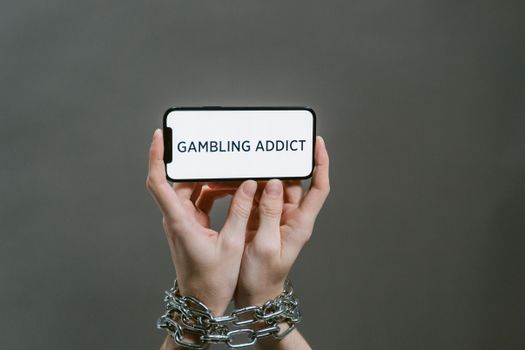
The rapid growth of digital gambling over the last decade has shifted the landscape of gaming and betting, bringing countless opportunities—and a complex web of security challenges. As millions of players flock to online casinos, sportsbooks, and poker rooms, the value of the digital gambling market has skyrocketed. In 2023, the global online gambling market was valued at over $95 billion, a figure expected to exceed $150 billion by 2030. But with this explosive growth comes a corresponding surge in cyber threats, sophisticated fraud, and new forms of digital crime.
This article offers an in-depth analysis of security in the digital gambling world, exploring not just how platforms protect players and their data, but how the entire ecosystem is evolving to meet emerging threats. We’ll go beyond the basics of passwords and encryption to examine the technology, regulation, and strategies shaping the future of safe online gambling.
The Expanding Security Landscape in Digital Gambling
The digital gambling industry is a tantalizing target for cybercriminals. Billions of dollars change hands each year, and vast quantities of sensitive personal and financial data are stored on gambling platforms. According to the UK Gambling Commission, 39% of UK adults gambled online in 2022, highlighting the sector’s broad reach and the scale of data at risk.
.png)
Security in this sector now covers much more than protecting against hackers. Key areas include:
- $1 Preventing unauthorized access and account takeovers. - $1 Safeguarding deposits, withdrawals, and in-game purchases. - $1 Ensuring all games are fair and free of manipulation. - $1 Preventing fraud and criminal exploitation. - $1 Keeping gambling platforms online and responsive.In 2021, the Nevada Gaming Control Board reported a 34% increase in attempted cyberattacks against regulated US casinos compared to the previous year. This trend is global, with similar spikes observed in Europe and Asia. The ever-changing tactics of cybercriminals require gambling operators to continually upgrade their security measures.
Cutting-Edge Technologies Defending the Digital Casino
To counter increasingly sophisticated threats, online gambling operators are adopting advanced security technologies. Some of the most significant include:
1. $1 MFA requires users to provide two or more verification factors to access their accounts. In 2022, over 60% of top online casinos implemented MFA, reducing account compromise incidents by up to 90%. 2. $1 Modern encryption standards, such as TLS 1.3, are now widely adopted. These ensure that all data transmitted between players and platforms is unreadable to outsiders. 3. $1 Integration with PCI DSS-compliant payment processors helps prevent breaches and ensures safe financial transactions. 4. $1 Some platforms are experimenting with facial recognition or fingerprint scanning to verify user identities, particularly for high-stakes accounts. 5. $1 AI is being used for real-time fraud detection, pattern analysis, and even to spot collusion or cheating in poker and other multiplayer games.| Technology | Primary Purpose | Adoption Rate (2023) | Impact on Security |
|---|---|---|---|
| Multi-Factor Authentication (MFA) | Account access protection | 61% | Reduces unauthorized logins by up to 90% |
| End-to-End Encryption | Data privacy and protection | 95% | Prevents interception of sensitive data |
| AI-driven Fraud Detection | Real-time threat monitoring | 38% | Identifies suspicious activities instantly |
| Biometric Verification | User identity verification | 12% | Mitigates identity theft risks |
These technologies, often combined, create a layered defense that makes it increasingly difficult for cybercriminals to exploit vulnerabilities.
Regulatory Frameworks: The Backbone of Trust and Security
While technology is vital, robust regulation underpins security in the digital gambling world. Regulatory bodies set minimum security standards, enforce anti-money laundering (AML) compliance, and require transparency from operators.
Key regulatory requirements across leading jurisdictions include:
- $1 Operators must verify the identity of players, reducing the risk of underage gambling, money laundering, and fraud. - $1 Platforms are required to monitor transactions for suspicious activity and report large or unusual transfers. - $1 Independent testing agencies, such as eCOGRA, certify that games are fair and random. - $1 The European Union’s General Data Protection Regulation (GDPR) imposes strict requirements on how personal data is handled.In 2023, the Malta Gaming Authority (MGA) revoked licenses from three operators for failing to implement adequate AML controls, underscoring how regulatory enforcement can directly impact operator behavior.
For players, regulatory frameworks provide a safety net. If a platform is licensed and regulated by a recognized authority (such as the UK Gambling Commission or MGA), it’s more likely to adhere to stringent security protocols.
Emerging Threats: What Keeps Security Teams Awake at Night?
Cyber threats in the digital gambling world are not static. As defenses improve, criminals innovate. Recent years have seen the emergence of several worrying trends:
- $1 In 2022, a major European sportsbook operator was hit by ransomware, with attackers demanding $5 million for the safe return of stolen customer data. - $1 Criminals use stolen login details from other breaches to access gambling accounts. In 2022, credential stuffing accounted for over 10% of all attempted logins on some platforms. - $1 Fraudsters create fake identities using real and fabricated information, evading traditional verification checks. - $1 Automated bots can manipulate betting odds, scrape confidential information, or overload platforms to disrupt operations. - $1 Employees with privileged access can, intentionally or accidentally, compromise platform security.The digital gambling sector is also vulnerable to “social engineering” attacks, where criminals trick employees or players into revealing confidential information or clicking malicious links.
Player-Centric Security: Empowering Individuals in the Digital Casino
While operators and regulators carry the lion’s share of responsibility, players themselves play a crucial role in maintaining security. In a 2023 survey by the American Gaming Association, 57% of online gamblers admitted to reusing passwords across multiple sites—a major vulnerability.
Key player actions that reduce risk include:
- $1 - $1 - $1 - $1 - $1Some platforms now provide security dashboards, allowing players to monitor account activity, set withdrawal limits, and receive alerts about suspicious behavior. Education campaigns run by operators and regulators further empower players to recognize scams and adopt stronger security habits.
Security Beyond the Casino: Protecting the Wider Gambling Ecosystem
Security in the digital gambling world doesn’t end at the casino’s virtual doors. A vast network of partners, affiliates, software providers, and payment processors all interact in the ecosystem. Each link in this chain represents a potential vulnerability.
For example, in 2021, a vulnerability in third-party software used by more than 50 online gaming sites exposed customer data to potential attackers. In response, the industry is increasingly adopting:
- $1 Auditing vendors and partners to ensure they meet security standards. - $1 Incentivizing ethical hackers to report vulnerabilities before they can be exploited. - $1 Collaborating across the industry to rapidly respond to new attacks.Such collective actions are essential. As the digital gambling world becomes ever more interconnected, the security of one operator or partner can have cascading effects across the entire sector.
Securing the Future: What’s Next for Digital Gambling Security?
The pace of innovation in both gambling and cybercrime means the security landscape will continue to evolve rapidly. Looking ahead, several trends are likely to shape the future:
- $1: These methods promise even greater account security but will require careful attention to privacy concerns. - $1: Blockchain can offer transparent, tamper-proof transaction records, reducing fraud and increasing trust. - $1: As attacks become faster and more complex, real-time automated defenses will become standard. - $1: As gambling becomes more global, efforts to standardize security and player protection across borders will intensify.The stakes have never been higher. With billions of dollars and the trust of millions of players on the line, security in the digital gambling world is no longer just a technical issue—it’s a defining factor in the industry’s long-term viability.