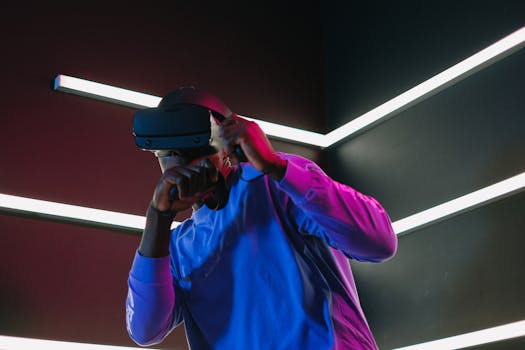
Virtual reality (VR) is no longer just the domain of gaming enthusiasts and tech aficionados. Today, it is reshaping the world of online casinos, offering immersive experiences that go far beyond clicking a mouse or tapping a touchscreen. From walking through a virtual casino floor to interacting with other players in real time, VR is turning online gambling into a full-sensory adventure. But how exactly is this technology transforming online casinos, and what does it mean for both operators and players? Let's dive into the numbers, the innovations, and the future of VR in online gaming.
The Evolution of Online Casinos: From 2D to Virtual Reality
When online casinos first emerged in the late 1990s, they were simple, static websites with basic graphics and minimal interactivity. Over the past two decades, these platforms have evolved dramatically, incorporating high-definition graphics, live dealer games, and sophisticated user interfaces. However, even the most advanced 2D experiences still rely on screens and lack the physical presence of a land-based casino.
Enter virtual reality. By leveraging VR headsets and motion-tracking technology, online casinos are now able to create 3D environments where players can move around, interact with objects, and communicate with others. According to a study by Statista, the global VR gambling market was valued at approximately $250 million in 2022 and is projected to exceed $1.2 billion by 2027, representing a compound annual growth rate (CAGR) of nearly 38%. This rapid expansion highlights the growing demand for more engaging and lifelike online gambling experiences.
.png)
Immersive Features Setting VR Casinos Apart
What sets VR casinos apart from their traditional online counterparts is the depth of immersion and interactivity they offer. Here are some standout features that are redefining the player experience:
- $1 VR casinos like SlotsMillion and PokerStars VR have recreated iconic casino settings, complete with ambient sounds, 3D slot machines, and detailed card tables. Players can walk around, choose their favorite games, and even order virtual drinks. - $1 Unlike standard online casinos, VR platforms enable real-time voice chat and body language cues, allowing users to engage in conversations, celebrate wins, or even bluff opponents as they would in a physical casino. - $1 Players can create and personalize their avatars, adding a layer of self-expression and identity to the virtual world. - $1 Instead of clicking buttons, players can use motion controllers to pick up chips, deal cards, or pull the lever on a slot machine, making gameplay feel more tactile and authentic.These features are not just novelties—they are designed to replicate the excitement and social atmosphere of brick-and-mortar casinos, which has been difficult to achieve in traditional online formats.
Comparing Traditional Online Casinos and VR Casinos
To better understand the impact of VR technology, let's compare the key differences between traditional online casinos and their VR-enabled counterparts.
| Feature | Traditional Online Casino | VR Casino |
|---|---|---|
| Gameplay Experience | 2D interface, mouse/touch controls | 3D immersive environment, motion controls |
| Social Interaction | Text or basic chat, limited social features | Real-time voice chat, avatar interaction, body language |
| Realism | High-quality graphics, but not lifelike | Fully simulated casino environment with spatial audio |
| Hardware Requirements | PC, smartphone, or tablet | VR headset (e.g., Oculus Quest, HTC Vive), compatible PC |
| Accessibility | Accessible from most devices, easy to start | Requires specific hardware, higher entry barrier |
| Customization | Limited (profile, themes) | Customizable 3D avatars, unique player environments |
As the table highlights, VR casinos offer a more immersive and interactive experience but require a greater investment in hardware. This trade-off is expected to diminish as VR headsets become more affordable and widespread.
Benefits for Players and Operators
The adoption of VR technology in online casinos brings a range of benefits for both players and operators, fundamentally changing the dynamics of online gambling.
- $1 VR's immersive nature keeps players engaged for longer periods. According to a 2023 report by Juniper Research, VR casino players spend up to 30% more time per session compared to traditional online platforms. - $1 The ability to interact naturally with other players and dealers fosters a sense of community. For example, PokerStars VR has reported a significant increase in player retention due to its robust social features. - $1 VR casinos appeal to tech-savvy millennials and Gen Z users who seek novel, interactive experiences rather than conventional gameplay. In a 2022 survey, 45% of respondents aged 21-35 expressed interest in trying VR gambling. - $1 For casino operators, offering a VR platform sets them apart in a competitive market. It also opens up new monetization opportunities, such as selling virtual goods and exclusive experiences. - $1 VR can also be leveraged to promote responsible gambling. For instance, operators can integrate warning systems, real-time spending trackers, and self-exclusion tools directly into the virtual environment.Challenges and Barriers to Widespread Adoption
Despite its promise, VR in online casinos is not without challenges. Understanding these barriers is crucial for the technology's future growth.
- $1 VR headsets and compatible computers remain relatively expensive. As of early 2024, popular devices like the Meta Quest 2 start at $299, and high-end options can exceed $1,000. - $1 While the number of VR-enabled casino games is growing, it still lags behind the thousands of titles available on standard online platforms. - $1 Users may face issues such as motion sickness, connectivity problems, or complex setup processes, which can deter casual players. - $1 The legal framework for VR gambling is still evolving. Operators must navigate complex regulations, especially as VR blurs the line between gaming and gambling. - $1 As with any online platform, VR casinos must implement robust security measures to protect player data and prevent fraud. According to Cybersecurity Ventures, cybercrime in the gambling sector is projected to cost the industry over $2 billion annually by 2025.While these obstacles are significant, ongoing advancements in hardware affordability, software optimization, and regulatory clarity are expected to drive greater adoption in the coming years.
Real-World Examples of VR Casino Innovation
Several pioneering platforms and technology providers are leading the charge in VR casino innovation:
- $1 Launched in 2015, SlotsMillion was one of the first online casinos to offer a full VR experience. Players can explore a virtual casino floor with over 40 different slot machines, complete with sweeping city views and interactive game cabinets. - $1 Combining the thrill of live poker with VR technology, PokerStars VR allows players to read body language, interact with others using gestures, and even throw virtual objects across the table for fun. - $1 Companies like NetEnt and Microgaming are investing heavily in VR game development, experimenting with everything from roulette to immersive blackjack. - $1 Major hardware companies are also partnering with casino operators to optimize VR headsets for gambling applications, ensuring compatibility and seamless performance.These real-world examples demonstrate that the VR casino revolution is not just theoretical—it’s already underway, with steady improvements and increasing user adoption.
The Future of Virtual Reality in Online Casinos
Looking ahead, the trajectory for VR in online casinos is promising. As technology matures and becomes more accessible, experts predict that VR will become a standard offering among leading online gambling platforms. By 2030, some analysts forecast that over 20% of all online casino revenue could come from immersive experiences like VR, augmented reality (AR), and mixed reality (MR).
Key trends to watch include:
- $1 The blending of VR with AR and traditional gaming, allowing seamless movement between devices and environments. - $1 Advanced AI will tailor the gaming experience, adjusting the virtual environment and challenges based on player preferences and behavior. - $1 As more developers enter the VR space, the range of available casino games will expand, catering to both casual players and high rollers. - $1 Expect to see more sophisticated networking, tournaments, and collaborative gameplay within VR casinos.With these advancements, VR is set to transform not just how we play, but how we think about online casinos altogether.