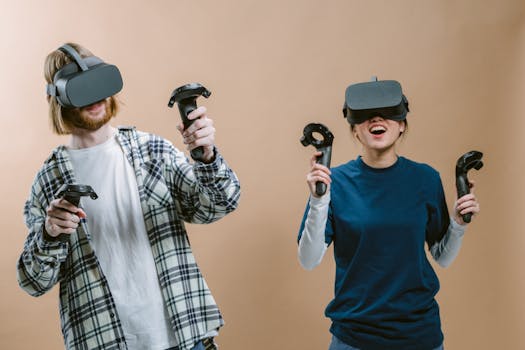
Virtual reality (VR) is no longer just the domain of cutting-edge video games or futuristic tech expos. In recent years, VR has begun to transform a wide range of industries, and one of the most striking evolutions is happening in online gambling. With a global online gambling market projected to reach $127.3 billion by 2027, the integration of VR is poised to reshape how players experience betting, casino games, and interactive entertainment online. This article explores the emergence of virtual reality in online gambling, examining the technological breakthroughs, user experiences, industry trends, and challenges that define this exciting new frontier.
The Evolution of Online Gambling: From 2D Screens to Immersive VR
Online gambling has come a long way since the first digital casinos went live in the mid-1990s. For decades, the standard online gambling experience was largely two-dimensional: players clicked on digital slot machines, poker tables, or roulette wheels using their computers or smartphones. While the convenience and accessibility of these platforms fueled enormous growth, the experience could feel detached compared to the sensory excitement of a physical casino.
Virtual reality is changing that dynamic. By leveraging advanced headsets and motion-tracking technology, VR enables players to step inside fully realized casino environments from the comfort of their own homes. Instead of clicking a mouse, participants can walk around a virtual casino floor, interact with other players, and engage with games in three-dimensional space. According to a 2023 study by Statista, over 23 million people worldwide are expected to use VR for entertainment purposes by 2025, with online gambling predicted to be a major driver of adoption in the coming years.
.png)
How Virtual Reality Casinos Work: Technology and User Experience
A VR casino is built on a combination of hardware and software that work together to create immersive, interactive environments. The primary hardware component is the VR headset, such as the Meta Quest 3, HTC Vive, or PlayStation VR2. These devices track head and hand movements, allowing users to look around and manipulate objects in a 360-degree virtual space.
On the software side, developers create detailed casino worlds, complete with realistic slot machines, blackjack tables, poker rooms, and even atmospheric elements like ambient music and lighting. Many VR casinos also integrate voice chat or avatars, letting players socialize in real time.
Key features of VR online casinos include:
- Full 3D environments: Walk around virtual lobbies, lounges, and gaming rooms. - Realistic game mechanics: Physically pull slot machine levers, pick up cards, or spin roulette wheels. - Social interaction: Chat, gesture, and interact with other players or live dealers. - Personalization: Customize your avatar and sometimes even your private gaming suite.For example, Casino VR Poker lets players join real-time poker tables with others from around the world, complete with gestures and voice chat. SlotsMillion VR, one of the first VR casinos, offers over 40 slot machines in a virtual high-rise casino setting.
Advantages of VR in Online Gambling: A New Level of Engagement
Virtual reality brings several compelling advantages to online gambling, setting it apart from traditional websites and even live-streamed casino games:
1. $1: Players report feeling a much higher sense of presence in VR. The ability to look around, engage with the environment, and interact with others makes the experience more lifelike and exciting. 2. $1: Unlike standard online gambling—which can be solitary—VR platforms foster social interaction. Players can chat, exchange gestures, and build friendships, echoing the social nature of land-based casinos. 3. $1: VR environments can display game odds, rules, and live activities in more interactive ways. Players can observe dealer actions up close, boosting trust. 4. $1: Avatars, rooms, and even game settings can be tailored to individual preferences, adding an extra layer of personalization. 5. $1: Not everyone can travel to glamorous gambling destinations like Las Vegas or Monte Carlo. VR casinos democratize access, letting anyone with a headset enter stunning digital recreations of these venues.A 2022 survey by Grand View Research found that 70% of VR casino users cited "realism and immersion" as the top reason for their preference, while 62% valued the ability to interact with other players.
Challenges and Limitations: What Holds VR Gambling Back?
Despite its promise, VR online gambling is not without hurdles. Several practical and regulatory challenges must be addressed before VR casinos can become mainstream:
- $1: VR headsets remain relatively expensive, with popular models ranging from $400 to $1,000. This limits adoption, especially among casual gamblers. - $1: High-speed internet and powerful computers are often necessary to run VR environments smoothly, creating another barrier to entry. - $1: Most VR casinos currently offer fewer games compared to traditional online platforms. Developing high-quality VR content is time-consuming and costly. - $1: Some users experience discomfort or motion sickness in VR, particularly after extended play sessions. - $1: Online gambling laws vary widely across jurisdictions, and the addition of VR adds new questions around security, age verification, and responsible gaming. - $1: VR platforms may collect more personal data, including movement patterns and voice recordings, raising privacy concerns for some users.Nevertheless, as hardware prices fall and VR technology matures, these issues are expected to become less significant over time.
Virtual Reality vs. Traditional Online Gambling: A Comparative Overview
To better understand the unique features and potential of VR in online gambling, it’s helpful to compare it directly with traditional online platforms.
| Feature | Traditional Online Gambling | VR Online Gambling |
|---|---|---|
| Game Experience | 2D interface, point-and-click navigation | 3D immersive environments, physical interactions |
| Social Interaction | Text or video chat, limited interaction | Voice chat, avatars, real-time gestures |
| Hardware Required | PC, tablet, or smartphone | VR headset, sometimes high-end PC |
| Accessibility | Widely accessible, low technical barrier | Limited by cost and hardware requirements |
| Game Selection | Thousands of games, wide variety | Fewer games, growing selection |
| Realism | Moderate, based on graphics and sounds | High, with environmental immersion |
| Regulatory Complexity | Well-established frameworks | Emerging, with new challenges |
This table illustrates that while VR gambling offers a more realistic and interactive experience, it currently lags behind in accessibility and game variety. However, the immersive nature of VR is increasingly seen as the future of digital gambling.
Industry Trends and the Future of VR in Online Gambling
The rapid evolution of both VR technology and online gambling platforms suggests a promising future at their intersection. Several notable trends are shaping this sector:
- $1: Major gaming companies and casino operators are investing in VR development. For instance, in 2023, Evolution Gaming allocated over $20 million to explore new VR casino concepts. - $1: Collaborations between gambling operators and VR hardware manufacturers (like Meta and HTC) are accelerating, aiming to create seamless, user-friendly experiences. - $1: VR casinos are integrating game-like elements—such as quests, achievements, and rewards—to enhance player engagement and retention. - $1: As more developers enter the market, the selection of VR-compatible gambling games is expanding, including everything from slot machines to sports betting lounges. - $1: VR platforms can provide real-time feedback, reminders, and self-exclusion tools in more engaging ways, potentially helping to curb problem gambling.According to a 2024 report by Juniper Research, the number of active VR gambling users is expected to reach 1.2 million globally by 2027, a tenfold increase from just five years earlier.
Final Thoughts on the Emergence of Virtual Reality in Online Gambling
Virtual reality is rapidly redefining what’s possible in the world of online gambling. By merging advanced technology with the thrill of casino gaming, VR platforms offer a level of immersion, social interaction, and realism that far surpasses traditional online gambling experiences. While challenges related to cost, technology adoption, and regulation remain, the trajectory is clear: VR is set to play a major role in the future of digital gaming. For players seeking new experiences, and for operators looking to stand out in a competitive market, virtual reality represents the next big leap.