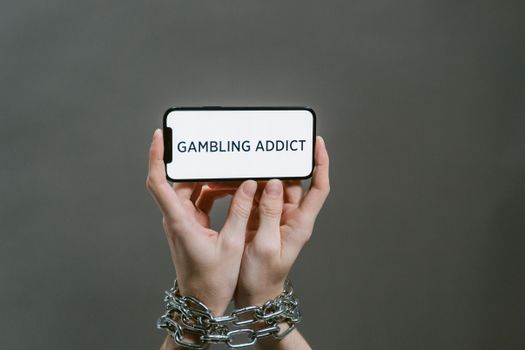
Digital Gambling: Addiction and Responsible Gaming in a Connected World
The world of gambling has undergone a radical transformation over the past two decades. What was once limited to smoky casinos and betting shops is now accessible 24/7, from almost anywhere, thanks to the explosive growth of digital gambling. This shift has brought entertainment, convenience, and a new wave of economic opportunity, but it has also introduced complex challenges—most notably, the risk of addiction and the urgent need for responsible gaming practices.
Digital gambling platforms, from online casinos to sports betting apps, attract millions of users globally. According to Statista, the global online gambling market generated over $92.9 billion USD in revenue in 2023, and it’s projected to surpass $150 billion by 2030. As these platforms grow, so too does concern about the psychological and social impacts of gambling addiction, especially among vulnerable groups, including young adults and those with a history of addictive behavior.
So, how do we balance the excitement and accessibility of digital gambling with the need for robust protections? This article delves into the realities of digital gambling addiction, explores the tools and strategies for responsible gaming, and outlines what players, families, and regulators can do to foster a safer online environment.
.png)
The Rise of Digital Gambling and Its Unique Risks
The internet revolutionized gambling by making it instant, private, and widely accessible. Unlike traditional casinos, where physical presence and cash transactions were the norm, digital gambling offers unprecedented convenience: a few taps on a smartphone can place a bet on a football match, spin a virtual roulette wheel, or buy a lottery ticket. In 2022, more than 2.5 billion people worldwide had access to smartphones, making digital gambling more accessible than ever before.
But this convenience carries a hidden cost. Studies have shown that the prevalence of gambling problems is significantly higher among online gamblers. For example, research published in the journal $1 found that up to 5% of online gamblers develop problematic behavior, compared to around 1-2% among those who gamble only in physical venues.
Several factors contribute to higher addiction risk in digital gambling:
- $1 Unlike brick-and-mortar establishments, online gambling never closes. - $1 Digital platforms offer privacy, which can make it easier to hide problematic behavior. - $1 Digital games are often faster, reducing the time to reflect between bets. - $1 Small, frequent bets can accumulate quickly, leading to bigger losses.Understanding Digital Gambling Addiction: Signs and Statistics
Gambling addiction, also known as gambling disorder, is recognized by the World Health Organization as a behavioral addiction with severe consequences for mental health, relationships, and finances. Digital gambling can accelerate the path to addiction due to its immersive design and instant gratification.
According to a 2021 survey by the UK Gambling Commission:
- 7% of online gamblers reported experiencing “problem gambling” behaviors. - Young adults (aged 18-24) were twice as likely to experience problem gambling compared to older adults. - Among online sports bettors, 13% were classified as at-risk gamblers.Common signs of digital gambling addiction include:
- Spending increasing amounts of time or money on gambling. - Chasing losses with more bets. - Hiding gambling activity from friends or family. - Experiencing anxiety, depression, or irritability when unable to gamble. - Neglecting work, school, or relationships due to gambling.The psychological mechanics of digital platforms—such as near-miss outcomes, personalized notifications, and gamified rewards—are designed to keep users engaged, but can also make it harder for vulnerable users to stop.
Responsible Gaming: Tools and Technologies for Safer Play
Recognizing the risks, many online gambling operators have introduced responsible gaming tools to help users manage their behavior. These features are designed to empower players to set boundaries and seek help when necessary.
Some of the most common responsible gaming tools include:
- $1 Users can set daily, weekly, or monthly deposit caps to control spending. - $1 Platforms may allow users to limit their playing time or receive reminders after extended sessions. - $1 A voluntary program where users can block themselves from accessing gambling sites for a set period or permanently. - $1 Pop-up notifications that remind players how long they have been playing and how much they have spent or won. - $1 Direct links to support groups, hotlines, and professional counseling.The adoption of these tools varies from one platform to another, and not all operators enforce them rigorously. The effectiveness of responsible gaming features also depends on player awareness and willingness to use them.
| Responsible Gaming Tool | Function | Estimated Effectiveness |
|---|---|---|
| Deposit Limits | Prevents users from depositing over a set amount | Highly effective if set early; 65% fewer excessive losses reported |
| Self-Exclusion | Blocks user access for a period | Effective for motivated users; 40% reduction in relapse risk |
| Reality Checks | Provides time and spend reminders | Moderately effective; increases self-awareness |
| Time Limits | Limits daily or session play time | Effective for casual players; less impact on problem gamblers |
The Role of Regulation and Industry Responsibility
Governments and regulatory bodies play a critical role in ensuring that digital gambling remains safe and consumer-friendly. The regulatory landscape varies widely across countries, but two key trends are emerging:
1. $1 In the UK, all licensed operators are required by law to provide self-exclusion tools and promote responsible gaming. In Sweden and Germany, similar laws require deposit limits and player verification. 2. $1 Several jurisdictions, including Spain and Italy, have imposed strict limits on gambling advertising, especially during hours when minors are likely to be exposed.Despite these advances, enforcement remains a challenge, especially as offshore and unlicensed operators continue to attract users with fewer protections. A 2023 European Gaming and Betting Association report found that 22% of online gambling still takes place on unregulated sites, where responsible gaming tools are often absent.
Industry groups, such as the International Betting Integrity Association (IBIA), are also pushing for best practices, including transparent odds, fair game design, and robust verification processes. Some leading operators have gone further, employing artificial intelligence to detect risky gambling patterns and proactively intervene with at-risk users.
Supporting Individuals and Families: Practical Steps for Prevention and Recovery
While regulations and technology are essential, the support of family, friends, and the broader community remains irreplaceable. Gambling addiction often occurs in isolation, and stigma can make it harder for people to seek help.
Here are practical steps individuals and families can take:
- $1 Discuss gambling openly at home, especially with young adults and teenagers. - $1 Look for changes in mood, secretive behavior, or unexplained financial problems. - $1 Promote the use of responsible gaming tools and encourage breaks from gambling. - $1 If gambling is causing harm, reach out to support services such as Gamblers Anonymous, the National Council on Problem Gambling, or local mental health providers. - $1 Apps like Gamban or BetBlocker can block access to gambling sites on devices.It's worth noting that recovery from gambling addiction is possible. According to the National Council on Problem Gambling, about 70% of those who seek help report significant improvement after six months.
Future Directions: Can Technology Solve the Problem It Helped Create?
Ironically, the same technology that fuels digital gambling addiction could also be the key to its solution. Artificial intelligence and big data analytics are increasingly being used to identify risky patterns of play and alert both users and operators.
For example, some platforms now employ AI algorithms that analyze betting frequency, deposit patterns, and time spent playing. If a user's behavior shows signs consistent with problem gambling, the system can pause the account, suggest self-exclusion, or prompt a human operator to reach out.
Additionally, blockchain and digital ID technologies can improve transparency and prevent underage gambling. With more than 1.6 billion people globally using digital wallets in 2023, there is potential for integration with responsible gaming features, such as real-time spending alerts and automatic deposit limits.
Still, technology is not a silver bullet. The effectiveness of digital safeguards depends on a complex interplay of regulation, industry responsibility, and individual awareness.
Building a Responsible Digital Gambling Culture
Digital gambling is here to stay, offering entertainment and economic benefits to millions. But as the industry grows, so does its responsibility to protect vulnerable users and promote healthy behaviors. Addressing the dual challenge of addiction and responsible gaming requires a multi-faceted approach—combining smart regulation, rigorous enforcement, innovative technology, and community support.
Ultimately, the goal is to create an environment where players can enjoy digital gambling safely, with tools and support systems in place to prevent harm. Whether you’re a player, a parent, or a policymaker, understanding the risks and solutions is the first step toward a healthier, more responsible digital gambling culture.