Online gambling has transformed from a niche hobby into a global phenomenon, engaging millions of players across continents. The convenience, variety, and excitement of digital casinos, sports betting, and lotteries have fueled the industry's meteoric rise. However, alongside this entertainment boom comes a crucial conversation: responsible gaming. In the digital age, striking a balance between the thrill of play and the risks of addiction or financial loss is more important than ever. This article explores what responsible gaming means, why it matters, the risks and rewards involved, modern safeguards, and practical guidance for enjoying online gambling safely.
Understanding Responsible Gaming in the Online Era
Responsible gaming is a broad concept that encourages players to make informed, controlled, and safe choices when engaging in gambling activities. It’s about having fun while being aware of the potential risks, setting personal limits, and knowing when to seek help. The idea is not to demonize online gambling, but to promote healthy habits and prevent the negative consequences that can arise from excessive or impulsive play.
According to the World Health Organization, gambling disorder affects between 0.1% and 5.8% of the adult population worldwide, depending on the country and available data. With the global online gambling market projected to surpass $150 billion by 2030, the importance of responsible practices cannot be overstated.
.png) Responsible gaming covers several key principles:
- Preventing underage gambling
- Protecting vulnerable players
- Ensuring fair and transparent gaming
- Providing tools for self-control and self-exclusion
- Offering support for problem gamblers
Responsible gaming covers several key principles:
- Preventing underage gambling
- Protecting vulnerable players
- Ensuring fair and transparent gaming
- Providing tools for self-control and self-exclusion
- Offering support for problem gamblers
Ultimately, responsible gaming is a shared responsibility between players, operators, regulators, and society at large.
The Dual Nature of Online Gambling: Fun and Risk
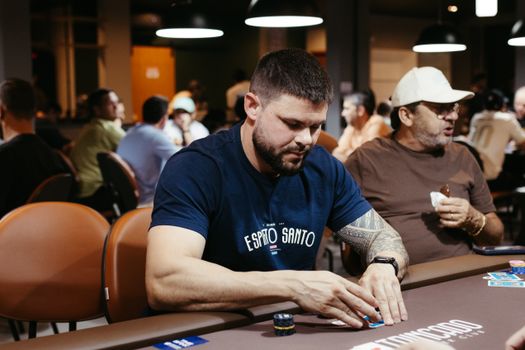
Online gambling is designed to be enjoyable and exciting. The anticipation of a win, the variety of games, and the social interaction on platforms all contribute to its appeal. According to a 2022 study by the UK Gambling Commission, 42% of UK adults participated in some form of gambling in the past year, with lotteries, sports betting, and online slots being the most popular.
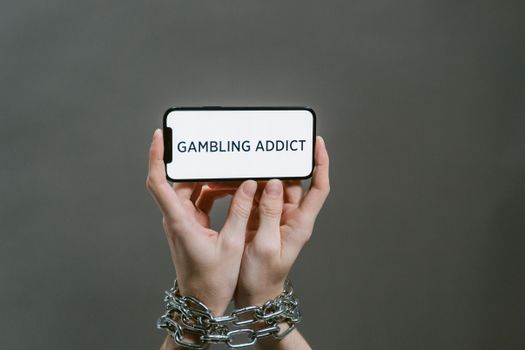
However, digital platforms also introduce unique risks: - 24/7 accessibility can lead to longer play sessions and impulsive betting. - The use of credit cards and e-wallets may disconnect spending from real money, making losses less tangible. - Fast-paced games and instant feedback can make it harder to track time and money spent.Problem gambling can lead to serious consequences, including financial hardship, relationship breakdowns, and mental health issues. In the US, the National Council on Problem Gambling estimates that about 2 million adults meet the criteria for severe gambling problems, with another 4-6 million at risk.
Key Features of Responsible Gaming Tools and Programs
To balance entertainment with safety, reputable online gambling sites are increasingly integrating responsible gaming features. These tools are designed to empower players and promote healthier habits. Here’s a comparison of common responsible gaming features:
| Feature | Description | Effectiveness |
|---|---|---|
| Deposit Limits | Players set daily, weekly, or monthly maximum deposit amounts | Helps control spending; 63% of users in a 2021 European study found it very helpful |
| Self-Exclusion | Temporary or permanent ban from account access or site | Directly prevents access; used by 7% of online gamblers at some point |
| Reality Checks | On-screen reminders about time or money spent | Raises awareness; 49% of users report reduced play sessions |
| Loss Limits | Pre-set maximum loss before play is locked for a period | Reduces risk of chasing losses; particularly effective for at-risk players |
| Access to Support | Links to helplines, support groups, or live chat with counselors | Encourages early intervention; usage rates vary by region |
Operators in regulated markets are required to offer these features, with some jurisdictions, like Sweden and the UK, enforcing strict compliance. Some platforms go further, employing AI to detect risky behavior and proactively intervene.
The Psychology Behind Gambling: Why Balance Matters
Understanding why people gamble can shed light on how to foster responsible gaming. Gambling activates the brain’s reward system, releasing dopamine and creating feelings of excitement and pleasure. This effect is strongest when outcomes are unpredictable, as in slot machines or roulette.
However, certain psychological traps can lead to risky behavior: - $1 Believing that skill or strategy can influence random outcomes. - $1 Expecting that a losing streak must end soon, leading to more bets. - $1 Trying to recover lost money, often resulting in deeper losses.A 2020 survey in Canada found that 61% of problem gamblers reported chasing losses on a regular basis, compared to just 12% of recreational gamblers.
Responsible gaming education focuses on these psychological aspects, teaching players to recognize warning signs and make conscious decisions. It also emphasizes that gambling should never be seen as a way to make money or solve financial problems.
Regulation and Industry Initiatives for Safer Gambling
The online gambling industry has made significant strides in promoting responsible gaming, driven by both regulation and voluntary initiatives. National and regional authorities, such as the UK Gambling Commission, Malta Gaming Authority, and New Jersey Division of Gaming Enforcement, set strict standards for licensing and player protection.
Key regulatory requirements often include: - Age verification to prevent underage gambling - Mandatory display of responsible gaming information - Regular audits of gaming fairness (RNG testing) - Reporting and monitoring of risky player behaviorIn addition to regulatory efforts, industry groups like the European Gaming and Betting Association (EGBA) and the US-based National Council on Problem Gambling work to raise awareness and provide resources. Global events like "Responsible Gambling Week" promote discussion and best practices across the sector.
Technology is also playing a role, with some operators using artificial intelligence to flag patterns of excessive play or erratic betting, prompting early intervention or direct contact with the player.
Practical Tips for Players: Staying in Control
While operators and regulators are crucial, individual responsibility is at the heart of safe online gambling. Here are practical strategies for maintaining the right balance:
1. $1 Decide in advance how much money you can afford to lose and stick to it. Never borrow money to gamble. 2. $1 Allocate a specific amount of time for gambling and use site features to remind you when time’s up. 3. $1 Accept that losses are part of gambling. Trying to win back money usually leads to greater losses. 4. $1 Regular pauses help you stay aware of your play and avoid impulsive decisions. 5. $1 Mood swings, lying about gambling, or neglecting responsibilities may indicate a problem. 6. $1 If you feel gambling is affecting your life, reach out to support groups or use self-exclusion tools.According to GambleAware, early intervention and honest self-reflection are among the most effective ways to prevent gambling-related harm.
Final Thoughts on Responsible Gaming in Online Gambling
Online gambling can be a source of fun, excitement, and social interaction. But as access becomes easier and the industry grows, the need for responsible gaming is more important than ever. The balance between entertainment and risk is delicate, but achievable through a combination of personal awareness, robust industry safeguards, and effective regulation.
With nearly 26% of the world’s population estimated to gamble in some form, promoting responsible gaming is essential for the well-being of individuals and communities. By staying informed, using available tools, and seeking help when needed, players can enjoy online gambling as a safe and sustainable pastime.