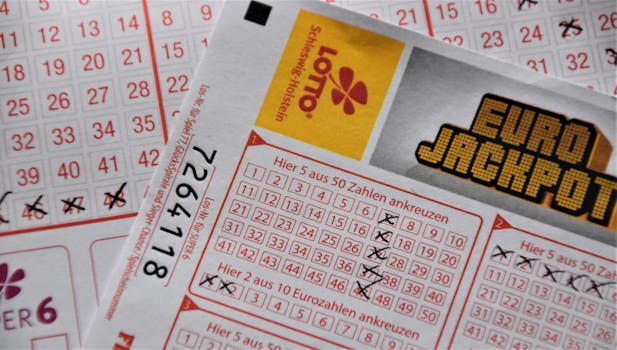
In the digital age, few phenomena have blended as seamlessly as the online lottery and social media. Once considered separate realms—one a game of chance, the other a platform for connection—the intersection of online lotteries and social media has created a powerful synergy that is reshaping how people play, share, and even perceive luck. This article explores this dynamic intersection, examining how social networks are influencing online lottery experiences, the benefits and challenges that come with this integration, and what it means for players, operators, and society at large.
How Social Media Has Changed the Online Lottery Landscape
Before the rise of social platforms, lottery participation was largely a solitary or local community affair. Players typically purchased tickets at physical retailers, with little interaction beyond the point of sale. The introduction of online lotteries changed this dynamic, making it possible to play from anywhere, at any time. But it is social media that has truly revolutionized the lottery experience.
Social media platforms, especially Facebook, Instagram, Twitter, and TikTok, have become major channels for lottery brands to engage with players. In 2023, over 75% of global lottery operators had an active presence on at least one major social platform, according to a report by H2 Gambling Capital. These platforms allow lotteries to:
.png) - Announce big jackpots and winners instantly
- Host live draws and interactive games
- Run social competitions, giveaways, and referral campaigns
- Build communities where players share results and tips
- Announce big jackpots and winners instantly
- Host live draws and interactive games
- Run social competitions, giveaways, and referral campaigns
- Build communities where players share results and tips
For example, the UK National Lottery’s Facebook page has over 750,000 followers, where daily updates, winner stories, and exclusive promotions foster ongoing engagement. In the United States, Powerball’s Twitter account is a hub for real-time updates and community interaction.
Social Engagement: Fostering Online Lottery Communities
One of the most profound impacts of social media on online lotteries is the development of vibrant player communities. These communities go beyond simple announcements—they offer spaces for sharing experiences, strategies, and even forming group syndicates.
Online lottery syndicates, where groups pool money to buy more tickets and share any winnings, have been supercharged by social networking. In 2021, a survey by Lotto Analyst found that 38% of online lottery players had joined a syndicate discovered via social media. Facebook groups dedicated to Powerball, EuroMillions, and other major draws boast memberships in the tens of thousands.
Players use these forums to:
- Share stories of near-misses and big wins - Discuss number-picking strategies - Organize group ticket purchases for higher odds - Celebrate wins together, enhancing the communal aspect of playThis sense of community is a stark contrast to the isolated experience of traditional lottery play. It not only increases enjoyment but also encourages continued participation, as evidenced by the fact that 64% of social lottery group members report playing more frequently than before joining.
Marketing and Virality: How Social Media Drives Lottery Growth
The viral nature of social media is a boon for online lottery operators. Campaigns and jackpots can reach millions within hours, leveraging the network effect that only social platforms can provide. A single share, tweet, or viral video can significantly boost participation.
In 2023, the Spanish Christmas Lottery "El Gordo" generated over 10 million video views across social platforms in just one week, thanks to a heartwarming ad campaign that was widely shared. Similarly, the U.S. Mega Millions saw a 21% spike in ticket sales after a $1.34 billion jackpot trended on Twitter and TikTok in July 2022.
Social media also enables lottery brands to:
- Run refer-a-friend campaigns, rewarding players for bringing in new users - Use targeted advertising to reach specific demographics (e.g., younger adults, mobile users) - Offer exclusive online promotions that encourage sharing and participationThis dynamic marketing environment has led to fierce competition among lottery operators, driving innovation in both game formats and promotional strategies.
Risks and Responsible Play in the Social Lottery Era
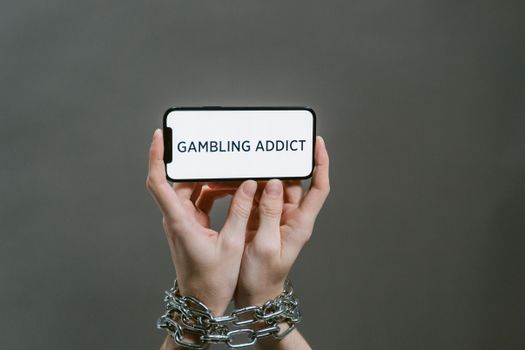
While the merging of social media and online lotteries has brought many positives, it also introduces new challenges—particularly around responsible gambling. The ease of access and the constant exposure to lottery content can increase the risk of problem gambling, especially among younger and more vulnerable users.
A 2022 study by the UK Gambling Commission found that 18% of online lottery players aged 18-24 reported being influenced to play by social media ads or peer activity. Furthermore, the viral sharing of big wins can create unrealistic expectations and a "fear of missing out" (FOMO), prompting some individuals to spend more than they intend.
To address these concerns, many lottery operators have adopted responsible play measures, such as:
- Age verification and account limits - Social media monitoring for harmful content or behavior - Partnerships with gambling support organizationsPlatforms like Facebook and Instagram have also introduced stricter advertising guidelines for lottery and gambling content, including opt-out features and prominent display of responsible gambling messages.
Comparing Traditional and Social-Driven Online Lottery Experiences
The table below highlights key differences between traditional online lottery play and the social-driven experience enabled by social media:
| Aspect | Traditional Online Lottery | Social-Driven Online Lottery |
|---|---|---|
| Community Engagement | Minimal; largely solo play | High; group chats, syndicates, forums |
| Discovery & Access | Direct website/app visits | Social feeds, influencer promotions, viral posts |
| Marketing Approach | Email, website banners, static ads | Interactive content, live streams, targeted social ads |
| Responsible Gambling Tools | Standard account controls | Integrated warnings, social monitoring, peer support |
| Virality Potential | Low | Very high; rapid trend amplification |
| Participation Rates | Steady, less influenced by trends | Can spike rapidly with viral campaigns |
Case Studies: Success Stories at the Intersection of Lottery and Social Media
Several lottery brands have distinguished themselves with innovative use of social media:
1. $1: During the COVID-19 lockdowns, the UK National Lottery hosted live draws and interactive quizzes on Facebook, keeping engagement high even as retail outlets closed. These efforts led to a 15% increase in online lottery registrations in 2020. 2. $1: Each December, Spain’s Christmas lottery becomes a national event, with dedicated hashtags, viral ad campaigns, and live-streamed draws on YouTube and Instagram. In 2022, over 30% of tickets were purchased online, a record high, attributed largely to social media buzz. 3. $1: LottoLand leverages influencer partnerships and user-generated content on TikTok to reach younger audiences. A recent campaign in 2023 generated 1.2 million hashtag uses and resulted in a 22% uptick in new player registrations.These examples illustrate how social media isn’t just a marketing add-on—it’s now central to the online lottery experience, shaping participation and community building in real time.
Looking Ahead: The Future of Online Lottery and Social Media Integration
As both the online lottery industry and social media platforms continue to evolve, their intersection is poised to become even more significant. Emerging trends to watch include:
- $1 Platforms like Twitch and YouTube Live are hosting real-time lottery draws, complete with chat rooms and instant winner announcements. - $1 Operators are experimenting with AR lottery tickets and gamified social challenges to attract tech-savvy players. - $1 Personal testimonials and small-scale influencer partnerships are driving trust and authenticity in online lottery promotions. - $1 Social platforms use artificial intelligence to deliver highly targeted lottery ads based on user interests and behaviors.By 2027, industry analysts predict that over 60% of all online lottery participation will be influenced directly or indirectly by social media activity. This integration will likely prompt further innovation, from new game formats to enhanced responsible play tools.