The Connection Between Social Media and Online Gambling: Trends, Risks, and Realities
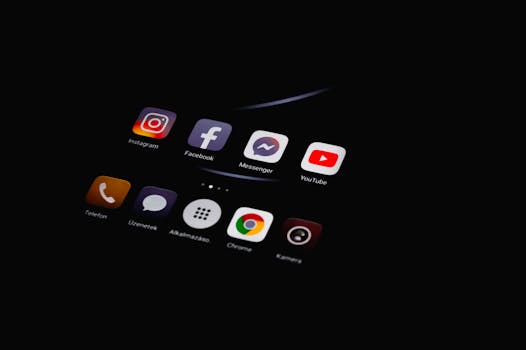
In the last decade, social media has reshaped nearly every aspect of our lives — from how we connect with friends to the way we shop, consume news, and even how we entertain ourselves. One area that has seen a profound transformation due to the rise of social platforms is online gambling. Platforms like Facebook, Twitter, Instagram, and TikTok have become not just marketing channels for gambling companies but also gathering places for communities of gamblers, influencers, and enthusiasts. The convergence of social media and online gambling is creating new opportunities, challenges, and risks that affect millions worldwide.
How Social Media Fuels the Growth of Online Gambling
Social media’s ability to reach vast audiences has made it a powerful tool for online gambling operators. According to Statista, in 2023, there were over 4.9 billion social media users globally, and this number is expected to exceed 5.17 billion by 2025. Gambling companies have capitalized on this by targeting users with personalized ads, influencer partnerships, and interactive content.
For example, a 2022 study by the UK Gambling Commission found that 31% of online gamblers reported seeing gambling advertisements or promotions on social media in the previous month. These ads are highly targeted, often using data analytics and algorithms to reach users based on their age, interests, and online behavior.
.png)
Moreover, social media platforms provide the perfect environment for viral content. Memes, videos of big wins, or live streams of casino games can spread rapidly, enticing new players to try their luck. Hashtags like #betting, #jackpot, and #casino regularly trend, drawing in curious users and fostering communities around gambling content.
The Rise of Social Casino Games and Their Impact
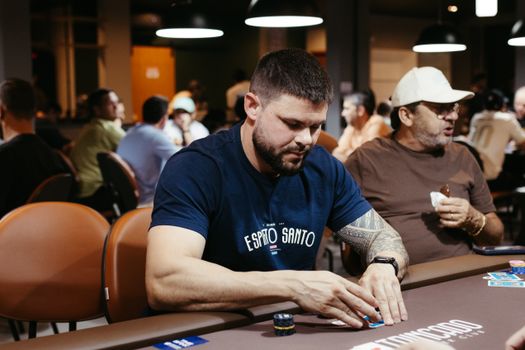
One of the most significant developments at the intersection of social media and online gambling is the rise of social casino games. These are games that mimic real gambling experiences — such as slots, poker, and roulette — but typically use virtual currency instead of real money.
According to a report by Juniper Research, social casino gaming generated over $7.2 billion in global revenue in 2022, with an expected annual growth rate of 6.2% through 2027. Popular games like Zynga Poker and Slotomania have millions of daily active users, many of whom interact with friends and participate in tournaments directly through Facebook or mobile apps.
While social casino games do not always involve real money, they can act as a gateway to real-money gambling. Research published in the journal "Addictive Behaviors" (2021) found that 52% of adults who played social casino games reported transitioning to online gambling for real money within a year. This blurring of lines raises questions about the potential for increased gambling addiction and the need for regulatory oversight.
Influencers and Content Creators: Shaping Gambling Perceptions
The role of influencers and content creators in promoting online gambling cannot be overstated. Platforms such as YouTube, Twitch, and TikTok have given rise to a new breed of gambling celebrities who stream live betting sessions, review casino games, or share betting tips with their followers.
For instance, Twitch’s "Slots" category regularly attracts tens of thousands of viewers at any given time. In 2021, some of the most popular gambling streamers reported monthly earnings exceeding $100,000 from sponsorships and viewer donations. These influencers often have significant sway, particularly among younger audiences.
This phenomenon is not without controversy. In August 2022, Twitch announced stricter policies on gambling content after concerns about underage viewers and the promotion of unregulated gambling sites. Nevertheless, the influence of gambling content creators continues to grow, raising ethical questions about transparency, responsible advertising, and audience protection.
Comparing Social Media Platforms: Where Gambling Content Thrives
Different social media platforms play unique roles in the online gambling ecosystem. Some are more permissive of gambling content, while others have implemented stricter controls. The following table provides an overview of major platforms and their stance on gambling-related content as of 2024:
| Platform | Allowed Gambling Content? | Advertising Restrictions | Notable Features/Trends |
|---|---|---|---|
| Yes (with restrictions) | Strict age targeting, regional limitations, approval required | Social casino games, private betting groups | |
| Yes (with restrictions) | No direct gambling ads allowed in some regions, influencer content common | Influencer promotions, viral gambling challenges | |
| Twitter/X | Yes | Must comply with local laws, some countries restrict gambling ads | Real-time betting tips, live odds, community discussions |
| Twitch | Limited | Prohibits unlicensed gambling site promos, age restrictions | Live casino streams, slots category, recent policy changes |
| TikTok | No (officially) | Prohibits gambling ads, but influencer content still appears | Short gambling tutorials, influencer controversies |
This landscape is constantly evolving. In 2023, Meta (Facebook and Instagram’s parent company) tightened restrictions on gambling ads after repeated calls from regulators. Meanwhile, Twitter (now X) introduced more stringent rules in response to a surge in gambling-related scams.
Risks and Concerns: Social Media’s Role in Problem Gambling
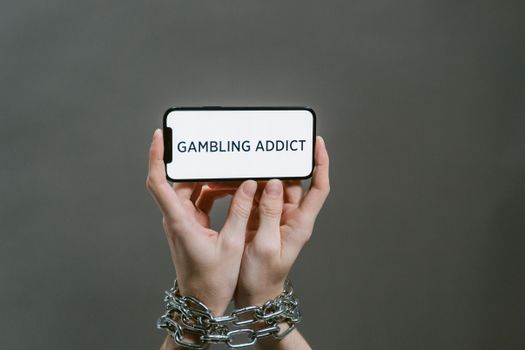
While the connection between social media and online gambling has spurred innovation and community building, it also brings significant risks. The accessibility of gambling content, combined with persuasive marketing and peer influence, can increase the likelihood of problematic gambling behaviors.
A 2023 survey by the Gambling Research Exchange Ontario found that individuals exposed to frequent gambling promotions on social media were 1.7 times more likely to develop signs of gambling addiction than those with minimal exposure. Young adults and teenagers are particularly vulnerable, as they are among the most active social media users and may be less equipped to recognize the risks associated with gambling.
Other concerns include: - Lack of effective age verification: Many social platforms struggle to prevent underage users from accessing gambling content. - Normalization of gambling: Ubiquitous gambling memes, challenges, and influencer content can make gambling seem harmless or trendy. - Cross-border promotion: Global social networks make it easier for unlicensed or illegal gambling operators to target users in jurisdictions where gambling is restricted or banned.Some countries have responded with new regulations. For example, in 2023, the Australian government proposed a total ban on gambling advertising on social media platforms and streaming services, citing a need to protect young people from excessive exposure.
Opportunities for Responsible Gambling and Community Support
Despite the risks, social media also presents opportunities to promote responsible gambling and provide support for those at risk. Many gambling operators now use their social media presence to share messages about safe gambling, offer self-exclusion tools, and raise awareness about problem gambling resources.
Peer support communities are another positive development. Groups on Facebook or Reddit, such as "Problem Gambling Support" or "Stop Gambling Now," allow individuals to share experiences, offer advice, and find encouragement in their efforts to manage gambling habits.
Additionally, technology is helping to identify problematic patterns. AI-powered monitoring tools can scan social media for signs of distress or risky behavior, prompting interventions or directing users to helplines. In 2022, the UK’s National Gambling Helpline reported a 28% increase in referrals originating from social media campaigns, demonstrating the potential for online platforms to connect people with help.
The Future of Social Media and Online Gambling: What Lies Ahead?
The connection between social media and online gambling will only continue to deepen as both industries evolve. With the introduction of new technologies like augmented reality, more immersive social casino experiences are on the horizon. Gambling operators are likely to explore further integration with messaging apps, live-streaming platforms, and even virtual reality communities.
However, this growth comes with heightened scrutiny from regulators, advocacy groups, and the general public. Calls for stricter age verification, transparent advertising, and stronger safeguards for vulnerable users are likely to shape the policies of both social media giants and gambling companies.
Ultimately, the challenge will be to balance innovation and engagement with responsibility and consumer protection. Whether through self-regulation, government intervention, or community action, the goal must be to create a safer, more transparent environment for everyone.